
Best Places to Visit in Budapest
Budapest combines its magnificent architecture, thermal baths, views along the river, and its bustling districts. Visit the Hungarian Parliament Building, Buda Castle, the Fisherman’s Bastion, and St. Stephen’s Basilica, and then stroll through the historic streets next to the Danube. The capital's outstanding blend of imperial heritage, Hungarian culture, and modern vitality makes it a highly attractive destination in Europe.
Why You Must Visit Budapest
The capital city offers the Hungarian Parliament Building, Buda Castle, and the Fisherman's Bastion together with thermal baths, views from the riverbank, characteristic cafes, and lively districts. People can explore centuries of history, try substantial Hungarian food, take a cruise on the Danube, and enjoy exciting evenings, which is why it is attractive as a destination for culture, relaxation, architecture, and for memorable city trips.
- Take in the scenery along the riverbank that is part of the UNESCO-listed Danube.
- Enjoy the historic thermal baths.
- Find out about Hungarian art and history.
- Enjoy traditional dishes and well-known pastries.
- Experience the vibrant nightlife in the historic areas.
Top 13 Budapest Attractions & Landmarks
The main attractions of Budapest can be divided into several categories: the monumental sites along the Danube, the tourist spots in the Castle District, museums and cultural organizations, the sites relating to the Jewish heritage, the traditional markets, the thermal baths, and the bustling neighborhoods. Taken together, these places show off the capital's architecture, history, art, wellness practices, and ordinary character, thus giving first-time visitors a well-rounded impression of the city. Regardless of whether you have only one day or several days, these highlights offer a good basis for exploring both Buda and Pest.
Hungarian Parliament Building
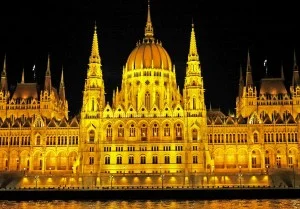
The Parliament Building in Hungary is dominant on the waterfront and features Neo-Gothic architecture, a dome, and highly decorated interiors; it is still the country's most recognizable landmark and one of the spectacular views along the riverbank.
Buda Castle
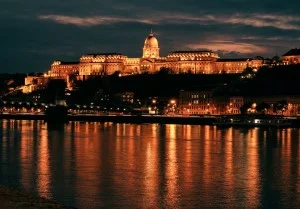
The complex of Buda Castle is situated on Castle Hill and provides access to museums, courtyards, and magnificent views of the city; the palace has, throughout the centuries, been rebuilt and altered, mirroring Budapest's history along the Danube.
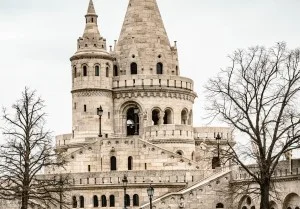
Fisherman's Bastion
The Fisherman's Bastion is a terrace in the Neo-Romanesque style featuring seven towers which represent the Magyar tribes and offer spectacular views over the Danube towards the Parliament, in particular when seen from its terraces at sunrise.
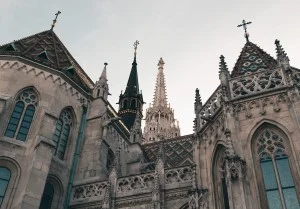
Matthias Church
Matthias Church is situated in the Castle District and is known for its colorful roof tiles, Gothic features, and its connection with coronations. The interior, with its elaborate patterns, is particularly notable and makes the church very photogenic all throughout the year.
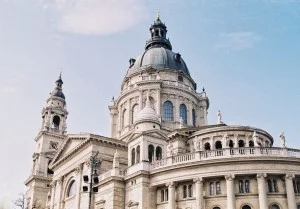
St. Stephen's Basilica
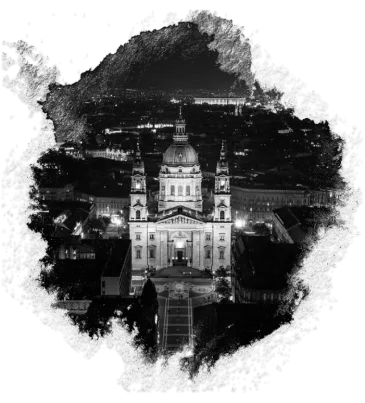
The largest church in Budapest is St. Stephen's Basilica, which is named in honor of Hungary's first king. On clear days, visitors are able to climb to the panoramic terrace to get views stretching across central Pest and the surrounding districts.
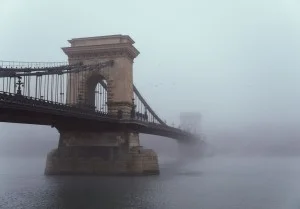
Szechenyi Chain Bridge
The Szechenyi Chain Bridge stretches across the Danube linking Buda and Pest and has thus become an emblematic symbol of the city; the stone lions and the illuminated bridge are particularly impressive when seen beside the river at night.
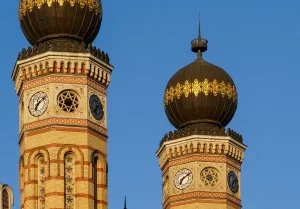
Dohany Street Synagogue
The Dohany Street Synagogue is the largest synagogue complex in Europe and a site of Jewish heritage; through its elaborate architecture, memorial garden, and museum, it provides a contextual account of Budapest's Jewish history in the city center.
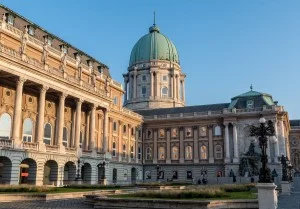
Hungarian National Gallery
The Hungarian National Gallery is located in the former Royal Palace in Buda Castle, and its collections include Hungarian art ranging from the medieval period to modern painting and sculpture, providing visitors with a contextual overview within the palace.
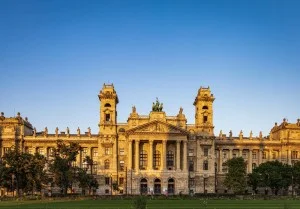
Hungarian National Museum
The National Museum of Hungary shows the country's history using its archaeological, historical and cultural collections, and its neoclassical building is clearly visible in the area surrounding the central historic districts, giving visitors an introduction to Hungary's long history.
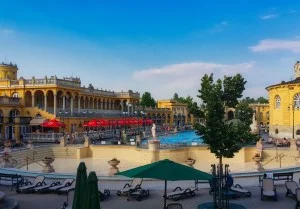
Szechenyi Thermal Bath
The Szechenyi Thermal Bath is one of the largest bathing complexes in Europe and is located in City Park, with its yellow Neo-Baroque building enclosing a number of both indoor and outdoor thermal pools so that one can relax throughout the year.
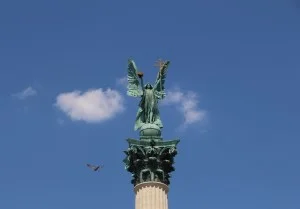
Heroes' Square
Heroes' Square is at the entrance to City Park and includes the Millennium Monument together with statues of important Hungarian historical figures; the square is also part of Budapest's World Heritage site.
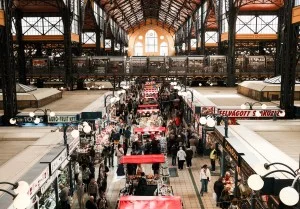
Central Market Hall
The Central Market Hall, which was constructed in 1897, is the largest traditional food market in Hungary; it has a grand structure made of iron and glass and provides a variety of goods including produce, paprika, souvenirs, and local specialties under a historic roof close to the Danube Building.
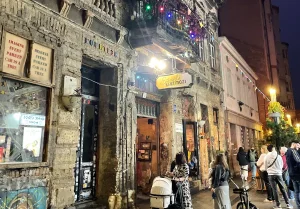
Jewish Quarter
The historic Jewish Quarter of Budapest features synagogues, street art, independent shops, cafes, and ruin pubs and is a busy area where heritage comes together with modern nightlife along the picturesque streets in the evening.
Top 5 Things to Do in Budapest
Discover Budapest by taking river cruises, visiting the thermal baths, strolling through its historic areas, enjoying the panoramic viewpoints, and going on food tours of the neighborhoods to see the capital's architecture, culture, and everyday atmosphere.
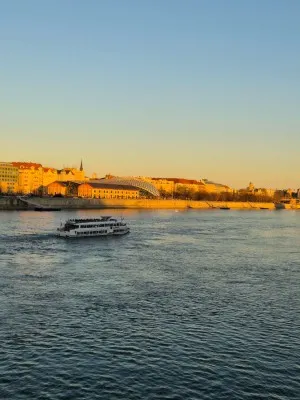
Take a Danube Sightseeing Cruise
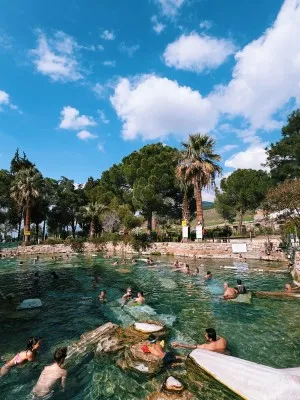
Relax at Szechenyi Thermal Bath
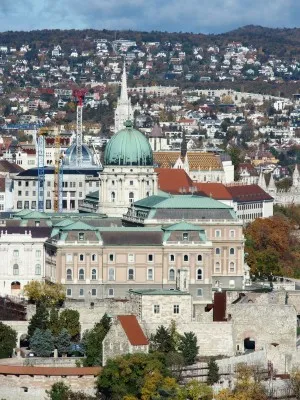
Walk Through Buda Castle District
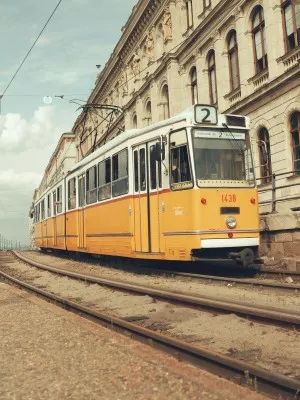
Ride Historic Metro Line M1
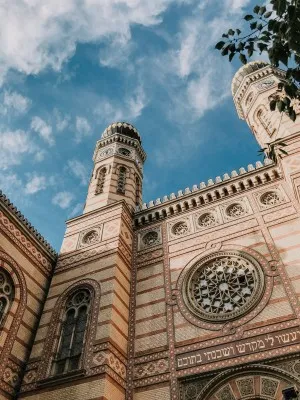
Explore the Jewish Quarter on Foot
Why Choose Us?
Tourhopers creates Budapest tours that match your travel style, schedule, interests, and budget.
Save time at major Budapest attractions with smooth planning and skip-the-line assistance wherever available.
Explore the capital with local experts who understand its culture, landmarks, food, and hidden experiences.
Book confidently with secure payments, instant confirmation, and flexible support throughout your trip.
Book Your Perfect Tour in 3 Steps

Browse and Pick
Browse Budapest tours, compare experiences, and choose the package that fits your interests, budget, and schedule.

Book Safely
Reserve your tour in just a few clicks and receive your booking details and confirmation by email.

Enjoy Your Escape
Meet your local guide, follow your planned itinerary, and enjoy Budapest's history, baths, architecture, food, and nightlife.
The city of Budapest features the Hungarian Parliament Building, Buda Castle, the Fisherman’s Bastion, and St. Stephen’s Basilica, together with views across the Danube, a tradition of thermal baths, and vibrant cultural areas. If you also include Váci Street, which offers central shopping and cafés, then the city becomes a pleasant combination of imperial architecture, Hungarian heritage, modern, and relaxed urban experiences.
To get a clear vision of the places to visit in Budapest, let's map it out by:
- Iconic Landmarks & Historic Sites: Hungarian Parliament Building, Buda Castle, Fisherman’s Bastion, Matthias Church, Széchenyi Chain Bridge
- Museums & Culture:Hungarian National Gallery, Hungarian National Museum, Dohány Street Synagogue, Museum of Fine Arts
- Famous Neighborhoods:Jewish Quarter, Castle District
- Parks & Green Spaces:City Park, Margaret Island
Where to Eat in Budapest: Local Food & Dining
The range of restaurants in Budapest includes traditional Hungarian food, modern bistros, Jewish-Hungarian cuisine, large cafés, and high-end dining. To enjoy a variety of culinary experiences throughout the capital, ranging from historic interiors to modern meals and notable local specialities, you should try Gundel, Rosenstein, Stand25, Borkonyha Winekitchen, and New York Café.
Here's a detailed explanation about where to eat in Budapest.
1. Rosenstein Vendéglő
Rosenstein, which is run by a family, is located near Keleti and is famous for its Hungarian and Jewish-inspired food, the size of its portions, and the friendly, traditional atmosphere of a neighborhood.
2. Stand25 Bistro
Stand25 provides modern Hungarian bistro food close to Buda Castle, combining seasonal local ingredients with a relaxed style of service and its special dishes such as goulash.
3. Borkonyha Winekitchen
Borkonyha Winekitchen offers modern Hungarian food together with a wide range of wines, providing a sophisticated yet friendly dining experience close to St. Stephen’s Basilica.
4. New York Café
The Café in New York has an ornate historic interior well known for its marble columns, chandeliers, and literary heritage, and this is reflected in the way it serves coffee and pastries.
5. Gundel
Next to City Park, Gundel offers classic Hungarian food in a setting that is based in a historic palace and is particularly linked to its specialty, the Gundel pancake.
Where to Stay in Budapest: Best Areas and Hotels
If you're looking for culture, nightlife, and central sightseeing, then you should consider District V, the Jewish Quarter, or the Castle District, depending on whether you value location, evening atmosphere, or historic ambiance.
1. Hotel Rum Budapest
Hotel Rum Budapest is a small hotel located in the center of Pest and has 40 rooms as well as a rooftop area called SOLID, which provides views of the skyline.
2.Bohem Art Hotel
The Bohem Art Hotel is located in District V next to the Danube and combines its historic character with modern artworks by young Hungarian artists.
3. Corinthia Budapest
The hotel in Budapest on Erzsébet Boulevard has grand historic interiors together with high-end facilities, and at the same time many of the city's central cultural attractions are within walking distance.
4. Danubius Hotel Astoria
The Danubius Hotel Astoria is situated in a central position, close to the Great Synagogue, the metro lines, the shopping streets, and the main attractions in Pest.
5. D8 Hotel
The D8 Hotel, located in District V near the Danube and the Chain Bridge, has contemporary rooms and puts major central attractions, the riverfront walks, and the metro connections within easy reach.
Getting Around Budapest: Transport Guide
The integrated BKK network in Budapest includes metro lines, trams, buses, trolleybuses and suburban rail. You can purchase tickets using BudapestGO, at ticket machines or at official sales outlets, and must validate your single ticket before travelling.
1. Metro
The M1, M2, M3, and M4 lines link up the main tourist areas and transport hubs; the M1 is particularly historic, whereas the M2 and M3 offer useful east-west and north-south links throughout central Budapest.
2. Trams
Trams offer frequent links on the surface, including routes along the Danube that are suitable for sightseeing. Tram 2 is especially good for viewing the waterfront, and since the network is extensive, it extends to areas beyond the main tourist district.
3. City Buses
City buses supplement the metro and tram systems by serving districts and places of interest located outside the main railway lines. The routes operating during the day extend over large areas, whereas the night buses assist in keeping people mobile after the regular services have ended.
The Best Time to Visit Budapest
Budapest has excellent weather in April, May, September and October, with comfortable conditions for sightseeing, fewer crowds, the possibility of outdoor dining, and pleasant circumstances for walking along the Danube.
In summer the days are longer, and there are many events, although the season can seem busy and hot; in winter there is a festive atmosphere, the weather is colder, and the sightseeing is generally quieter outside of the holidays.
Here are the details:
1. Spring (March–May)
In the spring, the weather is mild, the parks come into bloom and there is a busy cultural schedule. The month of May is particularly pleasant for walking tours, strolls along the riverfront, visiting the outdoor cafés and enjoying sightseeing.
Things to do in Budapest in Spring
- Explore City Park and Heroes’ Square
- Join the Budapest Spring Festival
- Cruise the Danube on a clear evening
2. Summer (June–August)
In the summer, there are long days, warm weather, open-air events, and a lively nightlife. There will be a greater number of visitors, particularly during major festivals and at the popular thermal sites.
Things to do in Budapest in Summer
- Attend Sziget Festival in August
- Relax at an outdoor thermal pool
- Enjoy evening walks along the Danube
3. Autumn (September–November)
In early autumn, the weather is comfortable together with a variety of cultural events and wine sessions; by November the temperature has dropped, although museums, cafés, baths and historic interiors are still worthwhile.
Things to do in Budapest in Autumn
- Visit the Budapest Wine Festival
- Explore museums around Buda Castle
- Warm up in Széchenyi Thermal Bath
Essential Budapest Travel Tips
Take a contactless card, check public transport tickets with it, and have a pair of comfortable shoes with you. Although Budapest is walkable when it comes to the central attractions, the hills and the changeable weather mean that it's worthwhile to plan if you're going to see sights over a full day or taking longer trips.
The following are some tips to think about when you are traveling in Budapest.
- You can use BudapestGO to plan your trips and purchase tickets.
- Check single tickets before boarding or entering metro areas.
- Make sure to wear some comfortable shoes when you are at Castle Hill.
- Save some Hungarian forints for making small purchases.
- It is necessary to check the opening hours of the attraction before going.
Best Shopping Spots & Markets in Budapest
Shopping includes the designer boutiques on Andrássy Avenue and Váci Street as well as the traditional foods at Central Market Hall and the independent shops in Gozsdu Udvar and WestEnd.
1. Váci Street
Váci Street runs through the central part of Pest and has available on it international brands, souvenir shops, and cafés available on it, and allows browsing on foot between Vörösmarty Square and the Great Market Hall.
2. Central Market Hall
Central Market Hall is perfect for buying paprika, spices, Hungarian food products, crafts, and souvenirs; the historic buildings and the crowded stalls give visitors a very local shopping experience in central Budapest.
3. Andrássy Avenue
Andrássy Avenue has along its long boulevard luxury fashion shops, elegant boutiques, galleries, and cafés, extending all the way to Heroes’ Square and City Park.
4. Gozsdu Udvar
Gozsdu Udvar connects the courtyards in the Jewish Quarter, which are filled with restaurants, bars, design shops, artisan stalls, and offer lively weekend browsing within a social atmosphere all year round.
5. WestEnd City Center
West End City Centre, which is close to Nyugati station, is a big modern shopping center offering fashion stores, various services, dining facilities, and good transport links for the purpose of practical retail and everyday shopping.
Top Budapest Festivals and Annual Events
The annual calendar in Budapest features the Budapest Spring Festival, the Sziget Festival, the Budapest Wine Festival, the Jewish Cultural Festival, and the celebrations held on St. Stephen's Day, encompassing aspects of culture, music, gastronomy, heritage, and national traditions.
1.Budapest Spring Festival
The Budapest Spring Festival is full of concerts, theatre, dance, and modern culture, and its 2026 version took place from 2nd to 17th May, celebrating its 45th anniversary with over 150 events in Budapest.
2. Sziget Festival
Each August, the Sziget Festival holds events on Óbuda Island, offering international music, arts, performances, and cultural programs. The festival has grown from a meeting in 1993 into what it is today, a major event in Europe with thousands of people attending.
3. Budapest Wine Festival
The Budapest Wine Festival occurs around Buda Castle and features Hungarian and international wines, wine tastings, food, and beautiful panoramic views; each year the event focuses on different wine regions and guest countries.
4.Budapest Jewish Cultural Festival
The Budapest Jewish Cultural Festival offers a variety of activities including music, heritage exhibitions, theatre, and other cultural events at various Budapest institutions that are of Jewish origin. The 2026 festival took place from August 30 to September 10 and included programs in several historic synagogues.
5. St. Stephen’s Day
On 20 August, St. Stephen's Day honors Hungary's first king and its founding traditions, and the day includes concerts, public celebrations, a traditional procession, and fireworks in the evening along the Danube.
Frequently Asked Questions
What are the must-see attractions in Budapest?
Begin with Parliament, Buda Castle, the Fisherman's Bastion, St. Stephen's Basilica, and the Széchenyi Chain Bridge.
What is the best time to visit Budapest?
April, May, September, and October usually provide comfortable conditions for sightseeing and outdoor activities.
How many days do you need in Budapest?
Three or four days are enough to visit the main landmarks, the thermal baths, the museums, the different neighborhoods, and to take a cruise on the Danube.
Is Budapest expensive to visit?
There are a variety of choices in Budapest depending on your budget, whether you opt for cheap markets and public transportation or choose upscale restaurants and luxury hotels.
What food should I try in Budapest?
Have some goulash, chicken paprikash, lángos, chimney cake, and the traditional Gundel pancake.
How easy is public transport in Budapest?
The metro, trams, and buses cover a wide area of the city, and BudapestGO can be used for planning journeys and buying tickets.
Where should I shop in Budapest?
On Váci Street, at the Central Market Hall, on Andrássy Avenue, at Gozsdu Udvar, and in WestEnd, there are diverse shopping experiences.
What currency is used in Budapest?
The Hungarian currency is the forint, which is abbreviated HUF. Most hotels, restaurants, and shops take cards.
What language is spoken in Budapest?
Hungarian is the official language, and English can be found in hotels, restaurants, attractions, and tourist areas.
Do I need a visa to visit Budapest?
Visa requirements depend on your nationality and travel situation. Check Hungary’s current entry rules before you leave.