
Best Places to Visit in Paris
Paris is captivated by the Eiffel Tower, the Louvre Museum, Notre-Dame Cathedral, and the Arc de Triomphe. While exploring the historic boulevards, the elegant neighborhoods, the paths by the riverside, and the famous gardens, tourists get to discover French art, cuisine, and culture. The city's remarkable architectural heritage and its enduring atmosphere cause Paris to rank as one of the world's most famous destinations for travel.

Why You Must Visit Paris
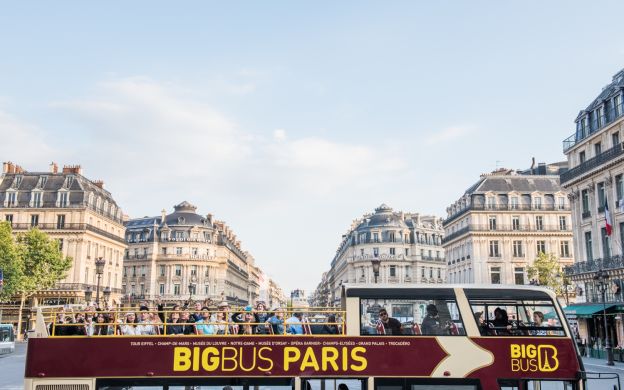
Paris has magnificent landmarks, famous museums, elegant quarters, French food, and lovely riverside views. You should climb the Eiffel Tower, visit the Louvre, admire Notre-Dame, walk around Montmartre, and take a cruise on the Seine. Whether one is interested in historic architecture or in up-to-date shops and bustling cafés, the capital of France has unforgettable experiences for all kinds of tourists.
- Look at the world's most recognizable landmarks.
- Look through amazing art collections.
- Enjoy classic French cuisine and pastries.
- Explore charming historic neighborhoods.
- Drive down the Seine.
Top 13 Paris Attractions & Landmarks
Paris provides a remarkable combination of monuments, museums, old districts, gardens, and landmarks by the river. The Eiffel Tower and the Arc de Triomphe determine the outline of the city, and the Louvre and the Musée d'Orsay form the basis of its artistic life. Montmartre, Notre-Dame, and the Marais show centuries of history, while Luxembourg Gardens and the Seine offer attractive areas for taking it easy.
Eiffel Tower
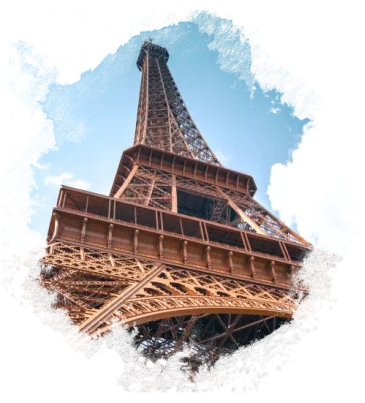
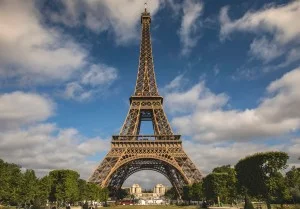
The Eiffel Tower, which was constructed for the 1889 World’s Fair, stands 330 meters above Paris and has observation decks from which panoramic views of the capital can be enjoyed, including those of the Seine, the Louvre, Montmartre, and Notre-Dame.
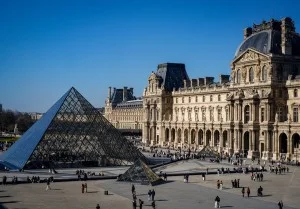
Louvre Museum
The Louvre is in a building which was once a royal palace and contains one of the largest art collections in the world; among the masterpieces found in its large galleries are the Mona Lisa and the Venus de Milo.
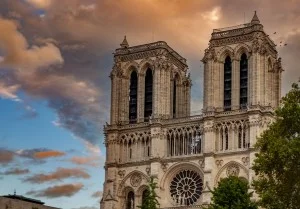
Notre-Dame Cathedral
The Notre-Dame Cathedral, located on the Île de la Cité, was constructed between the twelfth and fifteenth centuries and reopened to the public in December 2024 after having been restored following the fire of 2019.
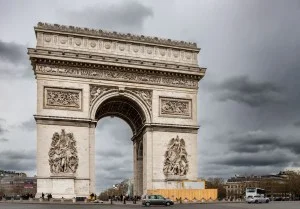
Arc de Triomphe
The Arc de Triomphe is located at the western end of the Champs-Élysées and serves as a monument to French military victories. From its roof, you can see panoramic views of the great avenues of Paris and the surrounding landmarks.
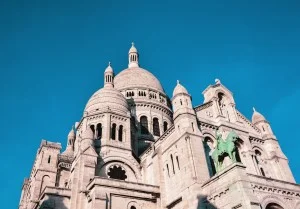
Sacré-Cœur Basilica
The Sacré-Cœur Basilica stands at the top of Montmartre's highest point and can be identified by its white Romano-Byzantine architecture. It offers extensive views of Paris from its steps and dome, and the streets nearby still have the atmosphere of an artistic village.
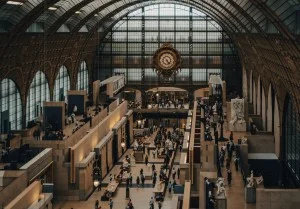
Musée d'Orsay
The Musée d'Orsay is situated next to the Seine at a former railway station and has among its exhibits famous works by the Impressionists and Post-Impressionists; the museum's collection features paintings by Monet, Renoir, Degas, Van Gogh, and Cézanne.
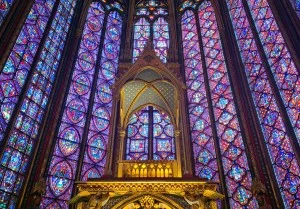
Sainte-Chapelle
Sainte-Chapelle is a royal chapel of the Gothic style which is well known for its remarkable stained-glass windows; it was constructed in the thirteenth century and the upper part of the chapel has fifteen huge window panels showing biblical stories.
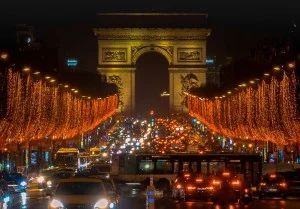
Champs-Élysées
The Champs-Élysées runs from Place de la Concorde to the Arc de Triomphe. This wide street brings together luxury shops, restaurants, cinemas, old buildings, and one of the most famous city scenes in Paris.
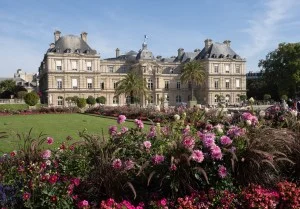
Luxembourg Gardens
The Luxembourg Gardens are located around the Luxembourg Palace in the sixth arrondissement and offer visitors formal gardens, tree-shaded paths, fountains, sculptures, and the well-known pond situated in the central part of the garden.
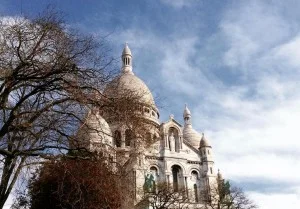
Montmartre
Montmartre is a historic neighborhood situated on a hill and is famous for the Sacré-Cœur, its artistic heritage, the cobblestone streets, the cafés, and the pretty squares; because of its elevated location, it has beautiful views over northern Paris.
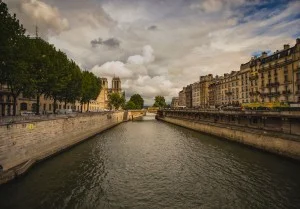
Seine River
The Seine goes through the center of Paris, running by important monuments and historic areas. There are walks along the riverbank and sightseeing cruises which offer different views of the city's architecture and bridges.
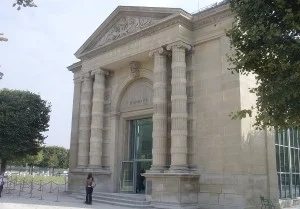
Musée de l'Orangerie
The Musée de l'Orangerie is located in the Tuileries Garden and is particularly renowned for Claude Monet's huge Water Lilies murals; the museum's collection also comprises paintings by Renoir, Cézanne, and Matisse.
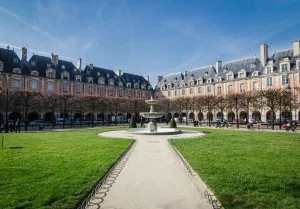
Le Marais
The Le Marais area lies within the third and fourth arrondissements and includes medieval streets, historic mansions, boutiques, galleries, cafés, and a lively cultural scene surrounding Place des Vosges.
Top 5 Things to Do in Paris
Paris encourages visitors to enjoy its landmarks, neighborhoods, museums, food, and waterways by means of memorable activities that blend sightseeing with genuine experiences of everyday French culture and atmosphere.
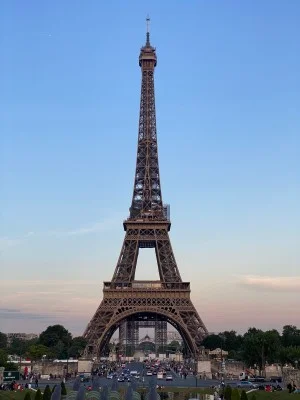
Watch Paris from the Eiffel Tower
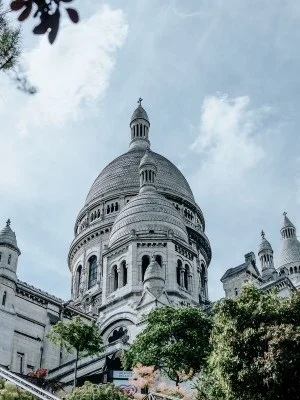
Cruise Along the Seine
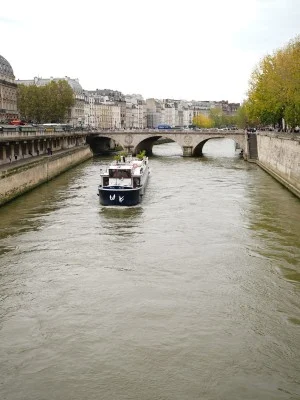
Explore Montmartre on Foot
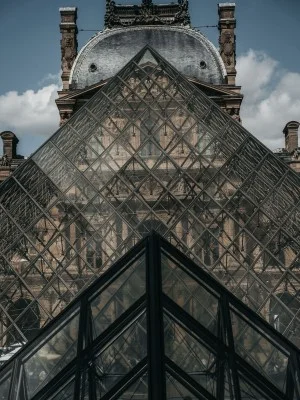
Discover the Louvre's Masterpieces
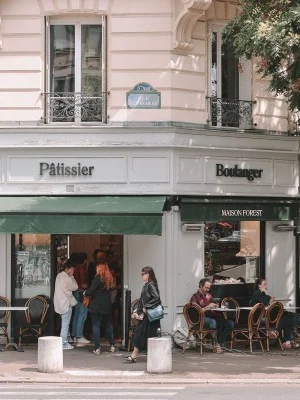
Enjoy French Food in a Parisian Café
Why Choose Us?
Tourhopers curate personalised journeys and flexible tour packages that align with your travel style, budget, expectations, and schedule.
Get skip-the-line access to major Sydney tourist attractions with Tourhopers. Don’t waste your time and get the most out of your journey.
With Tourhopers, get the expert local guides with deep cultural knowledge, personalised itineraries, and access to hidden gems.
Book your dream destination with Tourhopers and receive instant confirmation at your email address, making your booking process easy and seamless.
Book Your Perfect Tour in 3 Steps

Browse and Pick
Browse through our vast range of tour destinations, compare the prices, read reviews, and select the one that aligns with your travel style and schedule.

Book Safely
Reserve your spot with our encrypted booking mechanism. Get instant confirmation in your inbox for convenience.

Enjoy Your Escape
Meet your local guide and begin your journey to your dream destination only with Tourhopers.
Best Places to Visit in Paris
Paris is home to such famous attractions as the Eiffel Tower, the Louvre Museum, Notre-Dame Cathedral, and the Arc de Triomphe, along with other well-known museums, historic districts, gardens, and views of the Seine River. If you also include Rue de Rivoli, a major central avenue featuring a number of landmarks, arcades, shops, and gardens, then the capital becomes an extraordinary blend of history, culture, architecture, fashion, and ordinary Parisian life.
To get a clear vision of the places to visit in Paris, let's map it out by:
- Iconic Landmarks & Historic Sites: Eiffel Tower, Notre-Dame Cathedral, Arc de Triomphe, Sacré-Cœur Basilica, Sainte-Chapelle
- Museums & Culture: Louvre Museum, Musée d'Orsay, Musée de l'Orangerie
- Famous Neighborhoods: Montmartre, Le Marais, Saint-Germain-des-Prés
- Parks & Green Spaces: Luxembourg Gardens, Tuileries Garden
Where to Eat in Paris: Local Food & Dining
Paris has classic French cuisine, elegant fine dining, neighborhood bistros, traditional brasseries and inventive modern cooking. You can experience a variety of dining options at Le Train Bleu, Septime, Bouillon Pigalle, L'Ambroisie and Bistrot Paul Bert, which are located in different districts of the capital.
1. Le Train Bleu
The Belle Époque interiors, the decorated ceilings, and the traditional French food are all celebrated at Le Train Bleu in Gare de Lyon within a magnificent historic atmosphere.
2. Septime
Septime provides modern French food that focuses on ingredients available at different times of the year and features inventive ways of preparing them; thanks to its cozy atmosphere and its thoughtfully designed tasting menus it has become a well-known place to eat in Paris.
3. Bouillon Pigalle
Bouillon Pigalle offers inexpensive traditional French food in a bright and roomy area close to Montmartre, with classic dishes such as onion soup, steak-frites, and other pleasant French specialties.
4. L'Ambroisie
L'Ambroisie is located in a historic townhouse on Place des Vosges and offers refined French food in an elegant atmosphere. Because of its long history in the culinary field, it is a place people go to for special occasions.
5. Bistrot Paul Bert
Bistrot Paul Bert is a typical Parisian bistro famous for its traditional French food, seasonal menu, and friendly atmosphere, and since it is situated in the neighborhood, it offers an authentic dining experience.
Where to Stay in Paris: Best Areas & Hotels
If you want history and a vibrant nightlife, stay in the Marais; if you're looking for cafés and a cultural atmosphere, go to Saint-Germain-des-Prés, or choose the seventh arrondissement for easy access to the Eiffel Tower and the typical Parisian environment.
1. Hôtel Lutetia
Hôtel Lutetia is a famous luxury hotel in Saint-Germain-des-Prés. It has stylish rooms, restaurants, a spa, and is close to Left Bank galleries, cafés, and shops.
2. Le Bristol Paris
The Parisian Le Bristol is situated at a prestigious address on the Rue du Faubourg Saint-Honoré and has refined rooms, celebrated dining facilities, gardens, and luxury amenities located near the Champs-Élysées and the major fashion houses.
3. Hôtel des Grands Boulevards
The Hôtel des Grands Boulevards features modern design alongside the historic architecture of Parisian buildings in the second arrondissement and is in a central position, which makes it easy to get to restaurants, theatres, shops, and public transportation.
4. Generator Paris
Generator Paris provides hostel rooms that are located near Canal Saint-Martin, including both shared and private rooms, a rooftop terrace, social areas, and easy access to the Metro for exploring the capital.
5. Hôtel du Louvre
The Hôtel du Louvre is directly opposite the Louvre Museum and provides elegant rooms as well as a very central position. It is easy to walk to the Tuileries Garden, the Palais Royal, and the Seine.
Getting Around Paris: Transport Guide
The public transportation system in Paris is operated by the Metro, the RER, buses, and trams. Instead of buying a ticket, visitors can use Navigo passes or choose a contactless-compatible ticketing option according to the type of journey and the fare system.
1. Paris Métro
The fastest way of travelling between the different parts of central Paris is by the Métro, since many of its lines link up major attractions and neighborhoods. As the stations are closely spaced, it is convenient to use the Métro when sightseeing in central Paris.
2. RER
The RER trains serve to link central Paris with its outer suburbs and with various major destinations such as Charles de Gaulle Airport, Versailles, and Disneyland Paris; central stations like Châtelet–Les Halles act as important points for changing trains.
3. Buses
The buses in Paris offer wide surface coverage and can be a good option when the Metro route is not convenient. They also enable tourists to see the streets, monuments, and neighborhoods as they move around the city.
The Best Time to Visit Paris
From April to June and from September to October, the temperatures are generally comfortable, the gardens are attractive, and the conditions for walking, sightseeing, eating outdoors, and exploring the different districts of Paris are excellent.
July and August have long days along with a number of important events, though they can be busy as well. Although winter is colder and darker, Christmas decorations, museums, cafés, and other indoor attractions are still appealing.
1. Spring (March–May)
With the arrival of spring, the gardens come into bloom, the weather becomes progressively warmer, and the days get longer. In April and May it is especially pleasant to walk along the Seine, visit the gardens and explore the outdoor districts.
Things to do in Paris in Spring
- Stroll through Luxembourg Gardens
- Visit the Tuileries Garden
- Cruise the Seine
2. Summer (June–August)
Summer features long days, a variety of outdoor events, open-air cafés, and busy evenings. June and July are especially active, whereas August may seem quieter since some people leave the city.
Things to do in Paris in Summer
- Celebrate Fête de la Musique
- Relax beside the Seine
- Explore Paris Plages
3. Autumn and Winter (September–February)
Autumn features crisp weather and a variety of cultural events, whereas in winter there are festive lights, Christmas markets, and fewer tourists who come to see the sights. The fact that it rains and that the days are shorter makes museums particularly appealing.
Things to do in Paris in Autumn and Winter
- Visit Paris Christmas markets
- Explore Musée d'Orsay
- Enjoy seasonal French cuisine
Essential Paris Travel Tips
Make sure to wear some comfortable shoes, take public transport when travelling a long distance, and book the main attractions in advance. It's important to keep your belongings safe in crowded tourist areas and check the official schedules before going to museums.
Here's a list of tips to consider while traveling in Paris.
- Buy tickets for the popular attractions before you go.
- Wear some comfortable shoes when walking on cobblestone streets.
- Secure your valuable items when you are in crowded places.
- Learn some basic French phrases.
- Make sure to check the days on which the museum is closed before you go.
Best Shopping Spots & Markets in Paris
Paris shopping covers everything from luxury fashion on Avenue Montaigne and the Champs-Élysées. There are also department stores, vintage boutiques, food markets, and independent shops in Le Marais.
1. Champs-Élysées
One of Paris's most well-known avenues contains a mix of major international brands, luxury shops, cafés, cinemas, and large retail outlets.
2. Galeries Lafayette Haussmann
Galeries Lafayette Haussmann is a department store with historical significance and is famous for offering fashion, beauty products, accessories, gourmet items, and the spectacular Art Nouveau glass dome that it has in the ninth arrondissement.
3. Le Marais
Throughout the atmospheric historic streets of Le Marais, you will find independent fashion boutiques, vintage stores, jewelry shops, galleries, and specialty retailers. The variety of shops available makes it suitable for people who are looking for unique Parisian items.
4. Rue Saint-Honoré
Rue Saint-Honoré is a famous shopping street with luxury fashion houses, jewelry brands, beauty stores, and elegant boutiques. It runs between the Louvre area and Place de la Concorde.
5. Marché Bastille
Marché Bastille is one of the largest open-air markets in Paris and provides a variety of goods including fresh fruit and vegetables, cheeses, meats, seafood, ready-to-eat foods, flowers, and specialist items in a vibrant residential area.
Top 5 Paris Festivals & Annual Events
Paris organizes major annual events such as Bastille Day, the Fête de la Musique, Paris Fashion Week, Nuit Blanche, and the Paris Marathon, bringing together national celebration, music, fashion, contemporary art, and international sport.
1. Bastille Day
On July 14, Bastille Day includes the well-known military parade down the Champs-Élysées, as well as public celebrations, concerts, and spectacular fireworks around the Eiffel Tower.
2. Fête de la Musique
Fête de la Musique brings free music shows to Paris every June 21. Concerts and outdoor performances take place in streets, squares, parks, cafés, and cultural spots.
3. Paris Fashion Week
Paris Fashion Week sees the major fashion houses, designers, models, buyers, and international press gather in the capital, with the shows and presentations occurring all over Paris as part of the annual fashion calendar.
4. Nuit Blanche
Nuit Blanche turns Paris into a modern art event at night, featuring a variety of installations, exhibitions, performances, and artistic projects throughout the city, and the annual event prompts tourists to visit Paris in the evening.
5. Schneider Electric Marathon de Paris
The Schneider Electric Marathon de Paris draws thousands of runners on a 42.195-kilometre route through the capital, visiting major landmarks and thus producing a spectacular sporting atmosphere each year.
FAQs
What are the must-see attractions in Paris?
The Eiffel Tower, Louvre, Notre-Dame, Arc de Triomphe, Sacré-Cœur, and Musée d'Orsay are must-see places for a first visit.
What is the best time to visit Paris?
From April to June and from September to October, the weather is generally comfortable for sightseeing, and the conditions for walking are pleasant.
How many days do you need in Paris?
Four to five days are sufficient for visiting major landmarks, museums, neighborhoods, gardens, trying the food, and experiencing the Seine.
Is Paris expensive to visit?
Although Paris is expensive, there are available options for people with different budgets because of the public transport, the free walks, the markets, and the variety of accommodation.
What food is Paris famous for?
Try croissants, baguettes, crêpes, steak-frites, French cheeses, macarons, onion soup, and classic pastries.
Can you get around Paris without a car?
Yes, for the majority of visitors, a car is unnecessary since the Metro, the RER, the buses, the trams, the walking routes, and the cycling options are available.
Where should I stay in Paris?
The Marais, Saint-Germain-des-Prés, and the seventh arrondissement are all popular with people who want a combination of culture, dining, and sightseeing.
Where is the best shopping in Paris?
Visit Galeries Lafayette, Champs-Élysées, Rue Saint-Honoré, Le Marais, and Marché Bastille for different shopping experiences.
What currency is used in Paris?
France employs the euro, and it is common to accept cards, though it is still useful to carry some cash when making smaller purchases or in rural areas.
What language is spoken in Paris?
French is the official language, and English is generally spoken in hotels, restaurants, museums, and in the main tourist areas.