

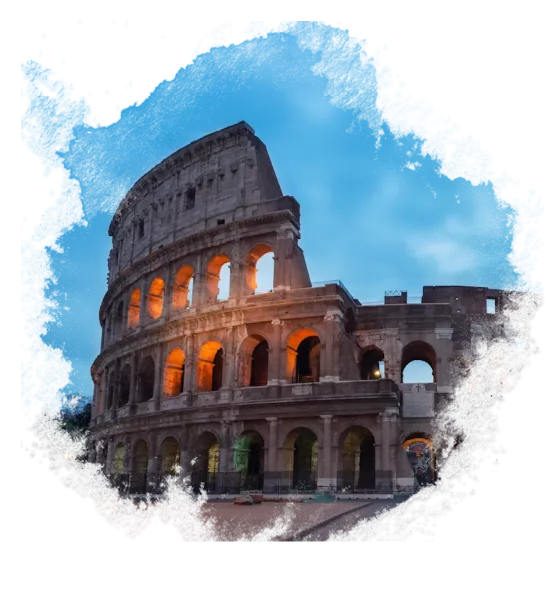






Ans. Rome is well known for the Colosseum, the Roman Forum, Vatican City, the Trevi Fountain, the Pantheon, Renaissance art, and its traditional Roman cuisine.
Best Places to Visit in Rome
Rome is an amazing open-air museum, containing ancient ruins, masterpieces from the Renaissance, large piazzas, and vibrant districts. Visit the Colosseum, the Trevi Fountain, the Vatican Museums, the Pantheon, and the Roman Forum. Because of its remarkable history, the Italian food, and everlasting architecture you find everywhere, Rome is still one of Europe's most fascinating destinations.
Why You Must Visit Rome
Rome offers thousands of years of history, impressive architecture, world-renowned art, and truly unforgettable Italian food. In the morning, tourists can visit the ancient ruins; in the afternoon, they can admire the masterpieces of the Renaissance; and in the evening, they can taste authentic pasta or gelato in a bustling piazza, thus having a wonderfully varied experience of the city.
- Go through the center of ancient Rome.
- Pay homage to the masterpieces of Michelangelo and Raphael.
- Throw a coin into the Trevi Fountain.
- Try genuine Roman pasta dishes.
- Find attractive neighborhoods and bustling piazzas.
Top 13 Rome Attractions & Landmarks
Rome has to offer ancient archaeological sites, splendid churches, artistic masterpieces, large fountains, charming neighborhoods, and attractive public areas. The Colosseum and the Roman Forum show what imperial history was like, while Vatican City provides exceptional art and architecture. The historic piazzas, fountains, and neighborhoods also contribute to the unique character of Rome and make a foot exploration of the city especially enjoyable.
Colosseum
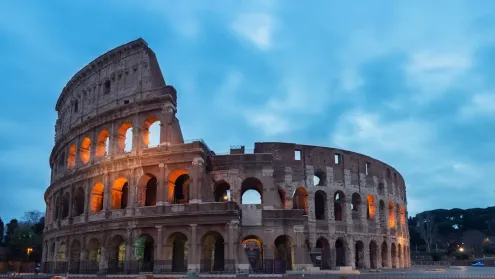
The Colosseum is the ancient Amphitheatre which is iconic in Rome and was constructed in the first century AD; it is therefore a must-visit for first-time tourists because of its huge arches, its underground areas, and its history involving gladiators.
Roman Forum
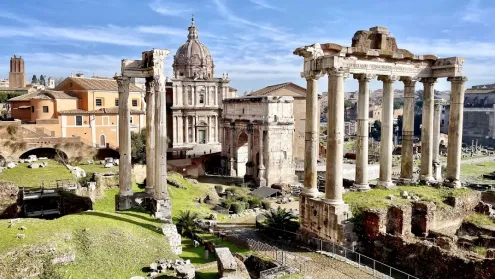
The Roman Forum was the political, religious, and commercial heart of ancient Rome, and today the ruins thereof show temples, basilicas, arches, and public areas set within an archaeological landscape.
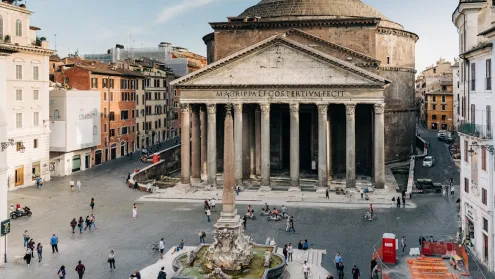
Pantheon
One of the best-preserved buildings of ancient Rome is the Pantheon, known for its huge concrete dome and the central oculus it has. The engineering feat of the Pantheon still manages to amaze tourists many centuries on.
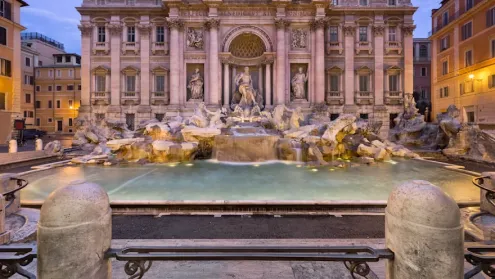
Trevi Fountain
The Trevi Fountain is the most well-known Baroque fountain in Rome and includes dramatic sculptures together with water that flows in a cascade. It is traditionally believed that if you throw a coin over your shoulder, you will ensure a return to Rome in the future.
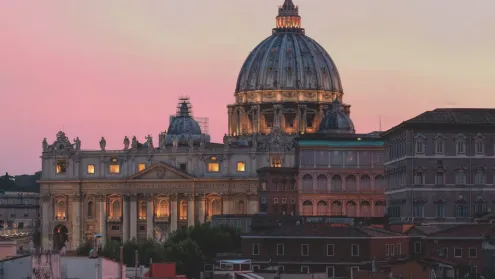
Vatican Museums
The Vatican Museums house enormous collections of classical sculpture, Renaissance paintings and religious art, and visitors may proceed through the impressive galleries to reach the famous Sistine Chapel and the Raphael Rooms.
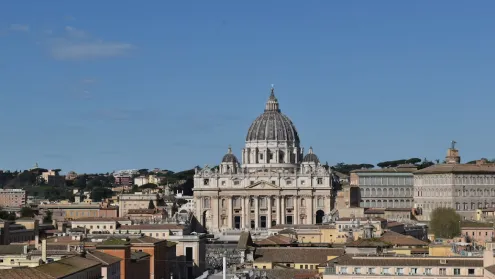
St. Peter’s Basilica
The enormous dome, together with the basilica's monumental interiors, chapels, sculptures, and artworks, means that St. Peter’s Basilica dominates Vatican City, and among the standout features are Michelangelo’s Pietà and the basilica's soaring architecture.
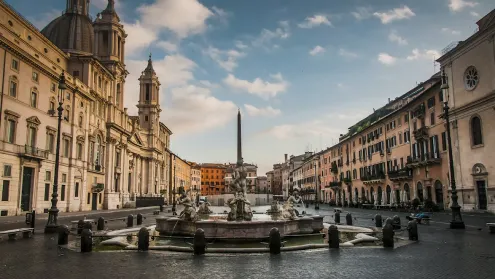
Piazza Navona
The Piazza Navona lies on the spot of an ancient Roman stadium and includes elegant Baroque architecture, fountains, cafés, restaurants, street performers, and Bernini's well-known Fountain of the Four Rivers.
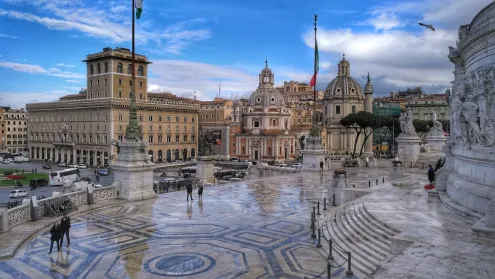
Spanish Steps
The Spanish Steps link the Piazza di Spagna with the Trinità dei Monti church higher up. Because of their stylish staircase, the numerous shops surrounding them, and their central position, this spot is a favorite with tourists who come to see it.
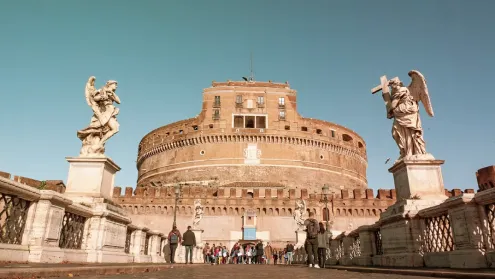
Castel Sant’Angelo
Castel Sant’Angelo was originally built as a mausoleum for Emperor Hadrian before being converted into a fortress and serving as a refuge for the popes. Today, visitors are able to tour the historical rooms, the ramparts, and the panoramic views heading towards St. Peter’s.
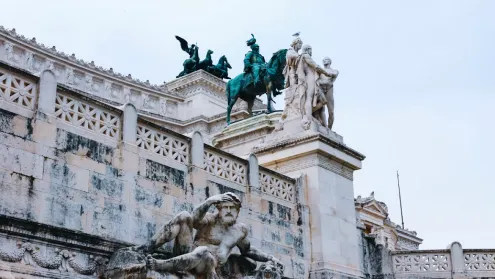
Capitoline Museums
The Capitoline Museums contain significant ancient Roman sculptures, Renaissance artworks, paintings, and archaeological treasures; their collections are housed in historic buildings which surround Michelangelo's attractive Capitoline Square.
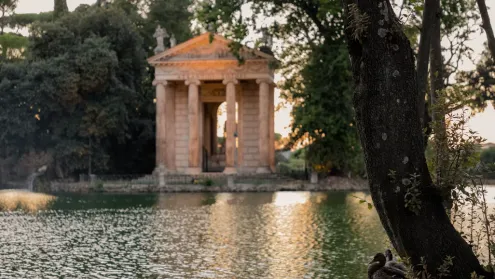
Villa Borghese
Villa Borghese is the city's famous urban park, with gardens, walking paths, viewpoints, museums, and quiet areas situated away from the busy historic streets; the Borghese Gallery is one of its main attractions.
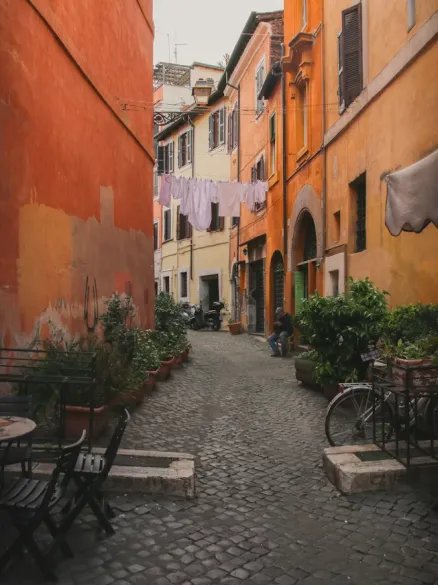
Trastevere
Trastevere is famous for its narrow streets made of cobblestones, its buildings covered with ivy, its traditional trattorias, its artisan shops, and its busy evenings; the streets have a pleasant atmosphere and provide a more relaxed aspect of historic Rome.
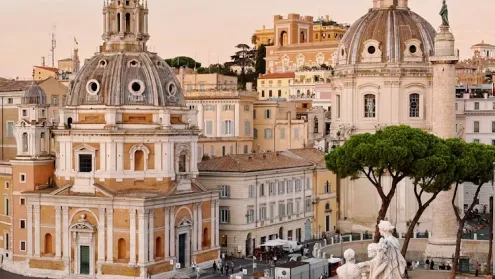
Piazza Venezia
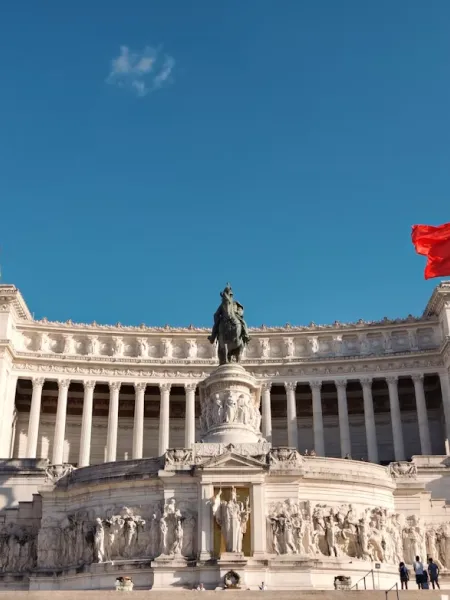
The huge Vittoriano monument dominates Piazza Venezia and is near a number of major attractions such as the Roman Forum and the Capitoline Hill, which means that it is a significant central landmark.
Top 5 Things to Do in Rome
Rome encourages a slow pace of exploration by pairing its famous monuments with strolls through the neighborhoods and offering memorable meals, artistic finds, and pleasant evenings along the historic streets and in the lively public squares.
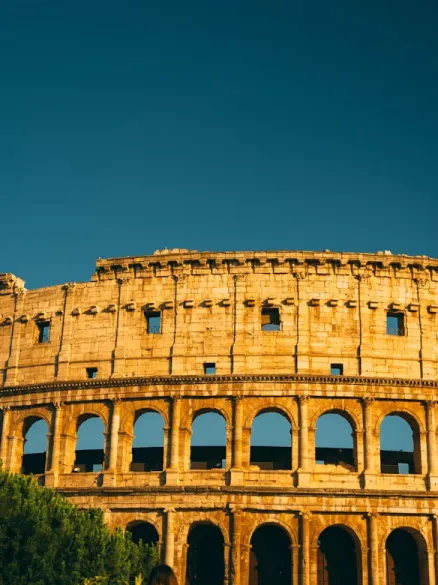
Explore the Colosseum and Roman Forum
See both the Colosseum and the Roman Forum as you walk through the ancient centre of Rome. Looking at both places shows how entertainment, politics, religion and everyday life influenced imperial Rome.
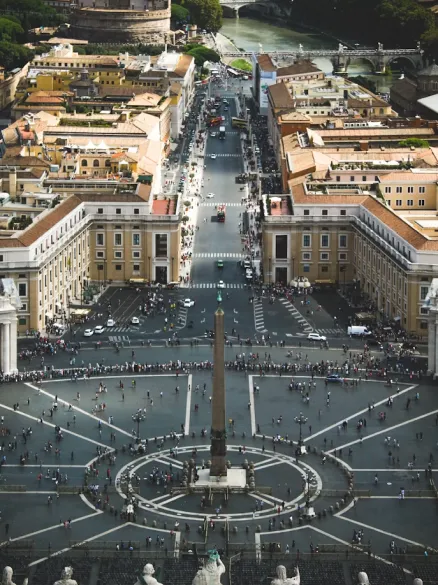
Discover Vatican City
Take several hours to visit the Vatican Museums, the Sistine Chapel, and St. Peter’s Basilica; it is important to arrive early so as to have enough time to enjoy the vast artistic and architectural details.
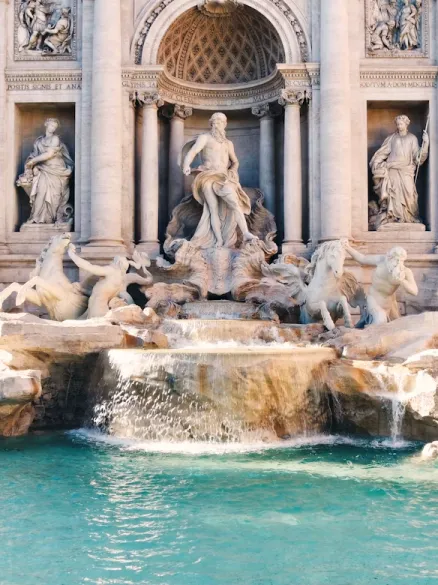
Throw a Coin at Trevi Fountain
The Baroque design of the Trevi Fountain can be enjoyed either early or later in the evening, and according to tradition, people should toss a coin into the fountain as a gesture for good luck.

Wander Through Trastevere
Take the time to wander through the narrow streets of Trastevere, admire its brightly coloured buildings, small churches, restaurants, and the various squares in the area. Once dark has fallen, the district becomes particularly lively with both local people and tourists.

Enjoy Roman Food and Gelato
Have a go at some of the classic dishes like carbonara, cacio e pepe, amatriciana, and supplì before ending the meal with genuine Italian gelato; local trattorias offer a good way of getting to know Roman culinary traditions.
Why Choose Us?
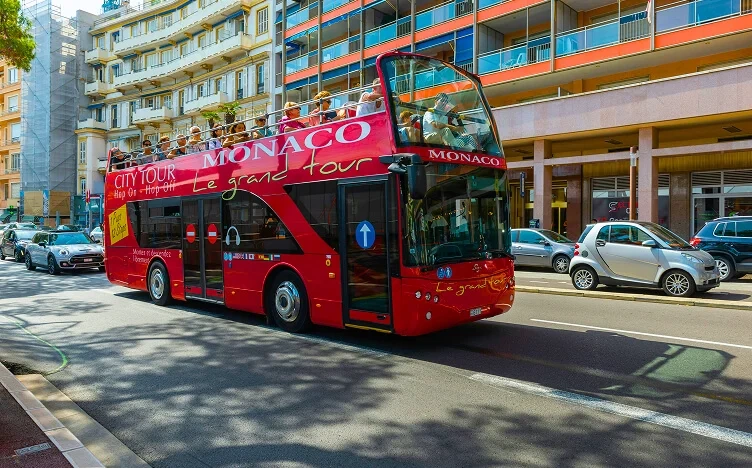
Prompt Service
All our buses provide punctual and active service, with dedicated assistance to tourists.

Easy Bookings
Book your packages immediately and get the booking tickets in your mailbox.
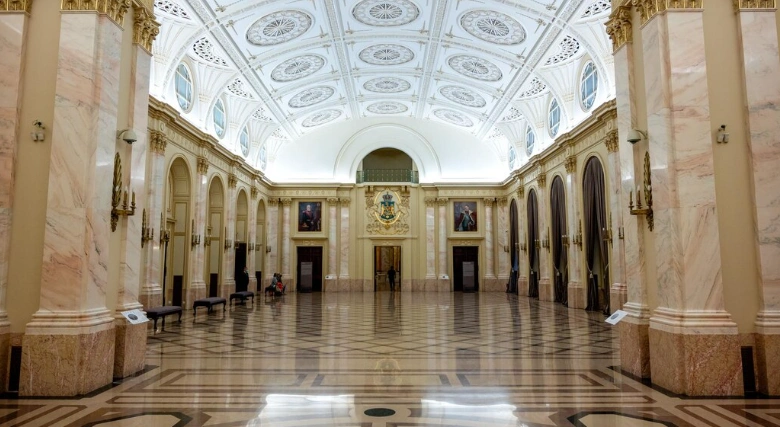
Affordable Packages
Our packages are priced at a reasonable cost and cover all major sightseeing spots in Rome.
24/7 Support
Our customer support team remains active all the time to listen to and sort your issues regarding our service.
Trusted By Leading Brands




Book Your Perfect Tour in 3 Steps
01
Browse
Scroll through the comprehensive, affordable, and exclusive tour packages. Compare them and pick the one that suits your itinerary.
02
Book Safely
Book and make payment for your package in just a few clicks and receive booking details and a receipt by mail.
03
Enjoy Your Escape
Finalise your itinerary, get all essentials, pack your bags, and get set to go.
Rome offers visitors the Colosseum, the Roman Forum, the Trevi Fountain, the Vatican Museums, and the Pantheon, together with attractive residential areas, large piazzas, and famous Italian food; because of its remarkable historical depth, almost any walk in the city is memorable.
To get a clear vision of the places to visit in Rome, let's map it out by:
- Iconic Landmarks & Historic Sites: Colosseum, Roman Forum, Pantheon, Trevi Fountain, Castel Sant’Angelo
- Museums & Culture: Vatican Museums, Capitoline Museums, Borghese Gallery
- Famous Neighborhoods: Trastevere, Monti, Campo de’ Fiori
- Parks & Green Spaces: Villa Borghese, Orange Garden
Where to Eat in Rome: Local Food & Dining
Rome’s food scene includes traditional trattorias, fine restaurants, and old cafés. People often choose Roscioli Salumeria con Cucina, Da Enzo al 29, Armando al Pantheon, La Pergola, and Pizzarium.
Here's a detailed explanation about where to eat in Rome.
1. Roscioli Salumeria con Cucina
The gourmet food shop is combined with a well-known restaurant, which offers Roman specialties, pasta, cured meats, cheeses, and a wide range of wines in a lively historic environment.
2. Da Enzo al 29
Da Enzo al 29 is a popular trattoria in Trastevere specialising in traditional Roman food, such as carbonara, cacio e pepe, seasonal vegetables and classic desserts.
3. Armando al Pantheon
Armando al Pantheon offers traditional Roman food just a few steps from the Pantheon, and because of its small dining room and well-prepared classics, it provides a memorable experience in the historic center.
4. La Pergola
At La Pergola, sophisticated fine dining is available from its position on the roof of Rome Cavalieri, combining an elaborate Italian cuisine with elegant service and panoramic views of the city.
5. Pizzarium
Pizzarium is well known for its Roman-style pizza al taglio, which features creative toppings sold by weight. The fact that it has a casual atmosphere makes it ideal for a quick and tasty meal.
Where to Stay in Rome: Best Areas & Hotels
Centro Storico, Monti, and Trastevere are good areas to be based in since they put visitors in a position close to historic sites, restaurants, shopping areas, pretty streets, and good public transport links.
1. Hotel de Russie
The Hotel de Russie is situated close to Piazza del Popolo and the Spanish Steps and provides luxurious accommodation, elegant gardens, and easy access to the central shopping and sightseeing districts of Rome.
2. Hotel Artemide
Hotel Artemide offers upscale accommodation close to Via Nazionale and Termini, featuring comfortable rooms and providing easy access to the Trevi Fountain, the Colosseum, and other central attractions.
3. The Hoxton, Rome
The Hoxton introduces modern design and a relaxed atmosphere to the area of Parioli, providing stylish rooms and restaurants as well as easy access to Villa Borghese and to the northern part of central Rome.
4. Hotel Santa Maria
Hotel Santa Maria provides charming accommodation in Trastevere, with its main feature being a tranquil courtyard, and because of its position, one can easily reach the restaurants, churches, and the streets of the neighborhood in the evening.
5. Hotel Colosseum
Hotel Colosseum offers practical accommodation in the Monti district, featuring a rooftop terrace and views of Rome's historic skyline. The Colosseum and the Roman Forum are located in the vicinity.
Getting Around Rome: Transport Guide
In Rome, you can use walking in combination with buses, trams, metro lines and urban rail services; the integrated Metrebus system includes several modes of transport and contactless Tap & Go means that purchasing tickets is convenient.
1. Metro
The Rome metro is useful for quickly linking up the different parts of the city; the A, B and C lines cover various areas respectively. You can buy tickets using machines, by means of apps, or with contactless payment.
2. Buses and Trams
Buses and trams serve areas which are outside the Metro network and are especially useful for reaching neighborhoods and attractions that are located a distance from the stations. Tickets issued by the Metrebus can be used on a number of different transport services.
3. Walking
One of the best ways to experience central Rome is by walking, since many of the landmarks are located near each other. The historic streets link the Pantheon, the Trevi Fountain, Piazza Navona, and the Spanish Steps.
The Best Time to Visit Rome
From April through June and from September to October, the conditions for sightseeing are generally pleasant, since the temperatures are manageable when walking around Rome's outdoor ruins, piazzas, fountains, and museums.
In July and August, the weather is hot and busy, whereas in winter it is cooler and more peaceful. It may rain, but museums, churches, restaurants, and other indoor attractions are still enjoyable all throughout the year.
Here are the details:
1. Spring — March to May
In the spring, the weather is comfortable, the gardens come into bloom and the days become longer. It is a good time for visiting archaeological sites, taking walks around the neighborhood, going to outdoor cafés, and seeing the sights in the Vatican.
Things to do in Rome in Spring
- Explore Villa Borghese.
- Walk around ancient ruins
- Enjoy outdoor Roman cafés.
2. Summer — June to August
Although summer brings long sunny days and busy evenings, the heat can reach intense levels, so plan your main outdoor sightseeing for the mornings and then have some relaxed dinners after sunset.
Things to do in Rome in Summer
- Visit monuments early.
- Enjoy evening piazzas.
- Explore Trastevere after sunset.
3. Autumn and Winter — September to February
Autumn provides pleasant conditions for walking together with attractive views, whereas in winter the weather is cooler and there are fewer people visiting. The historic streets become more interesting because of the Christmas lights and the seasonal festivities.
Essential Rome Travel Tips
Reserve your tickets in advance, dress appropriately when visiting churches, and take comfortable shoes with you. The historic center of Rome is very suitable for walking, and public transport is useful for getting to more distant neighborhoods and attractions.
Here's a list of tips to consider while traveling in Rome.
- Book your visits to the Colosseum and the Vatican in advance.
- Take a reusable water bottle.
- When you go to churches, make sure to dress in an appropriate manner.
- Wear shoes that provide support when walking on cobbled streets.
- Keep an eye on your belongings when in crowded tourist areas.
Best Shopping Spots & Markets in Rome
Rome has available to it luxury fashion, Italian leather, independent boutiques, antiques, food markets, and artisan products. Visit Via Condotti, Via del Corso, Campo de’ Fiori, Porta Portese, and Monti.
1. Via Condotti
Via Condotti is Rome's top luxury shopping street, and on it there are well-known Italian and international fashion brands. Since it is close to the Spanish Steps, it is easy to browse when visiting the main sights.
2. Via del Corso
There is a wide variety of mainstream fashion shops, Italian brands, accessories, and cafés on Via del Corso, and the street's central position links Piazza Venezia with Piazza del Popolo.
3. Campo de’ Fiori
The Campo de’ Fiori has a traditional market which is open during the day and offers produce, flowers, spices, food products, and souvenirs; furthermore, the streets around it have restaurants and specialty shops.
4. Porta Portese Market
Porta Portese is well known as Rome's Sunday flea market, and there visitors have the opportunity to browse a wide range of items such as clothing, antiques, household goods, vintage articles, accessories, and all sorts of other finds.
5. Monti
Monti features independent boutiques, vintage shops, artisan workshops, jewelry stores, and modern fashion. The creative atmosphere means that shopping in this area is quite different from shopping in Rome's luxury districts.
Top 5 Rome Festivals & Annual Events
The annual calendar of Rome features Natale di Roma, Festa della Repubblica, Estate Romana, the Romaeuropa Festival, and the Rome Film Fest, providing a variety of historical celebrations, music, performances, films, and cultural events throughout the year.
1. Natale di Roma
Natale di Roma, which is celebrated on April 21, is the date traditionally recognized as the foundation of Rome. To honor its Roman heritage, the city organizes historical events, cultural performances, exhibitions, and celebrations.
2. Festa della Repubblica
Every year on 2 June, the Italian Republic Day includes official ceremonies, celebrations, and its well-known military parade, which takes place along Via dei Fori Imperiali near Rome's ancient monuments.
3. Estate Romana
During the summer, Estate Romana offers a range of outdoor cultural activities, such as concerts, cinema showings, performances, exhibitions, and events in various parts of the city.
4. Romaeuropa Festival
RomaEuropa usually runs from autumn into early winter and showcases contemporary theatre, dance, music, performance, and multimedia projects by artists from Italy and elsewhere in the world.
5. Rome Film Fest
The Italian capital hosts the Rome Film Fest, which features international cinema, premieres, screenings, discussions, and visiting filmmakers at the Auditorium Parco della Musica.
Frequently Asked Questions
Q. What is Rome best known for?
Q. How many days are enough for Rome?
Ans. Four to five days are sufficient for visiting the main landmarks, museums, neighborhoods, food places, and Vatican City without having to rush.
Q. What is the best time to visit Rome?
Ans. From April through June and from September to October, the conditions are generally comfortable for sightseeing and strolling around the historic center.
Q. Is the Colosseum worth visiting?
Ans. The Colosseum does offer a remarkable insight into ancient Roman architecture, engineering, amusement, and imperial history.
Q. What food should I try in Rome?
Ans. Try carbonara, cacio e pepe, amatriciana, Roman pizza, supplì, artichokes, and real Italian gelato.
Q. Is Rome easy to explore without a car?
Ans. Certainly. The center of Rome is very easy to get around on foot, and the metro, buses, and trams link up the other attractions and districts.
Q. Where should first-time visitors stay in Rome?
Ans. The Centro Storico, the Monti district, Trastevere, and the areas surrounding Piazza Navona all offer easy access to the main attractions and restaurants.
Q. What are the best shopping areas in Rome?
Ans. Via Condotti, Via del Corso, Monti, Campo de’ Fiori, and Porta Portese offer luxury, mainstream, artisan, and market-style shopping.
Q. What currency is used in Rome?
Ans. The euro (€) is used in Rome, and at hotels, restaurants, shops, and attractions, cards and contactless payments are generally accepted.
Q. What language is spoken in Rome?
Ans. Italian is the primary language, and English is widely understood in tourist areas, hotels, museums, restaurants, and other major attractions.